top of page

Hispanic voices have become an important thread in Chatham’s multicultural tapestry.  

Jordan Matthews Los Jets.jpg
Tienda El Centro Chatham.jpg

Hispanic Voices

Las Voces Hispanas

Hispanic voices have become an important thread in Chatham’s multicultural tapestry.  

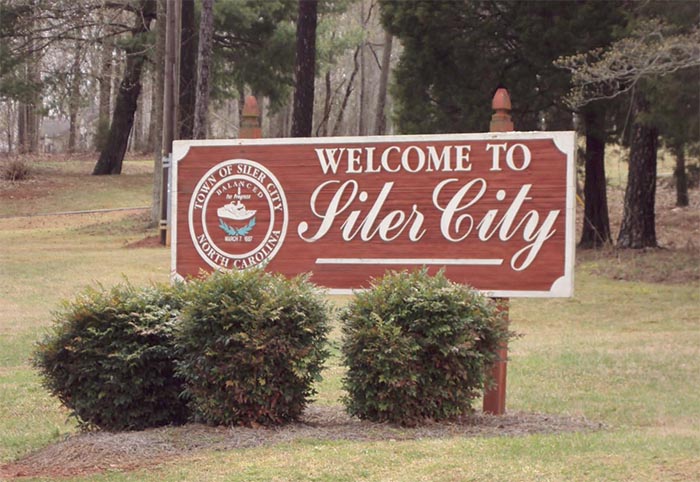
Located primarily in Western portion of the county, the Hispanic community has grown tremendously over the past 20 years. In 1990, the Hispanic population made up just a little over 1% of the county population; in 2021 that percentage grew to over 12%. In fact, over half of Siler City's population now identifies as Hispanic, which has transformed Siler into a hub for Latinx culture in Chatham County. 

Jordan Matthews Los Jets.jpg

Paul Cuadros, leads the first soccer team at Jordan-Mathews to the state championships. The predominantly Latino team, known as Los Jets, is the most winning team in the high school's history.

Tienda El Centro Chatham.jpg

Tienda Centro, one of the many Hispanic grocery stores which have popped up across Chatham County since the early 1990s.

Many in the Latinx community came to Chatham at the behest of the county's poultry plants, which actively recruited workers from Mexico and Central America. While members from the Hispanic community still make up around a third of the poultry workforce, many now work in a diverse array of trades.

Hispanic Liaison Logo.png

To celebrate Hispanic cultural pride and strengthen their voices, advocacy organizations like The Hispanic Liaison (El Vínculo Hispano) have created spaces which showcase the richness of Hispanic cultures through events like the Hispanic Heritage Fiesta Festival which takes place during National Hispanic Heritage Month!

"You know the story of Los Jets is really about integration on your own terms."

-Paul Cuadros

The Hispanic Liaison. Based in Siler City, the Liaison was founded in 1995 by Ilana Dubester, and provides services, resources, and advocacy for the Hispanic population in Chatham and beyond.

Listen to the Recordings

Paul Cuadros

Blue Lines

Description:

Cuadros, the founder and coach of the Jordan Matthews soccer team, describes its contentious beginnings

Transcript:

"I remember the first--the weekend before we were going to have our first home game with the Jets and I had to paint the game field which is also the football field, and that was a battle, that was a battle that had to be won as well because this was all a turf battle between the football powers and the emerging community. And originally they wanted us to play at Bray Park, but we could not play at Bray Park because they didn't have any lights there so we wouldn't be able to host games at night and in the Fall, once the time changed, we wouldn't be able to host games at all, you know, because it would be dark and when you host games in the playoffs, you're supposed to host them at 7pm so there'd be no way we would be able to do that. And there were a bunch of schools in North Carolina that were using those fields for soccer. This was not a new thing in North Carolina. It was a new thing in many of the rural communities. But not in Raleigh or in Charlotte or Winston-Salem. They had soccer programs forever for crying out loud. But in rural communities were football was king, they felt that this was a threat to their standing and their recruitment of athletes and they didn't want to share facilities. And there's a real lesson in that, that's a big lesson I've learned over time about sharing. But like I said, what I never forget is the first time I painted the field and we have to use blue paint, as opposed to white paint, the football team used white paint for its grid iron and we would use blue paint out the lines for the soccer field. And painting over that field, blue for soccer, white for football was really symbolic as to what was happening in the community. And there were complaints about, "What were these blue lines of the field doing on our field?" but hey, we still had to play."
00:00 / 02:37
Read More

Paul Cuadros

Integration on Own Terms

Description:

Cuadros talks about the change he's witnessed in the Latinx community at JM

Transcript:
"When you go to Jordan Matthews today, it's completely different. Those (Latino) kids are thriving and participating in all different kinds of things within that school. But in 1999 and 2000, they were just trying to survive. And by survive, I mean learn a new language because they were first generation immigrants; trying to understand the American education system, helping their families by working at least 20 hours a week; trying not to get into fights or get picked on by other kids because they were newcomers; trying not to seem menacing to the authorities, the police who were always on the lookout for gang activity; and trying to sort of figure out where they would fit in and always sort of feeling alienated and isolated and being angry about everything. So definitely not participating in school life. So not participating in clubs, not running for school offices, student body, you know, positions, not participate in plays, not participate in music, not participate in athletics. You know, they were a ghost population within that school. And the soccer team--The creation of the soccer blows that wide open because now they could put on the colors of the school and now they could represent the school and they could do it in their own way. You know the story of Los Jets is really about integration on your own terms. And that's what the boys wanted to do and that's why they wanted this team.
00:00 / 02:00
Read More

Paul Cuadros

"Come to Siler City!"

Description:

Cuadros retells a well-known legend about poultry recruitment in Mexico

Transcript:

"There's a very well-known and famous legend in Siler City. And I'm not sure if anyone's ever verified this so, you know, take it with as much grain of salt as you can. I do. But, the legend is that once upon a time there was a billboard in Mexico, like in Puebla, and it said, "Come to Siler City, there are jobs there for you!" I don't know if that's true or not. I have never seen it, but that's what people say. But certainly the industry helped to recruit and in many cases transport people to these communities for the purposes of working in their plants and that triggered this demographic change."
00:00 / 00:47
Read More
bottom of page