
ANGUAGE

L
To understand how language is changing in Chatham, it’s helpful to look eastward to Raleigh. The development of the Research Triangle in the 1960s brought many newcomers to the city. As more and more young professionals settled and raised kids in the area, subsequent generations of Raleighites began to sound less and less Southern. Today, the way young Raleigh natives talk sounds quite different, less Southern than those born 60 years ago.

After workers from the Triangle started to settle Northeastern Chatham in the 70s and 80s, a similar process started to play out there, just at a somewhat slower pace. As you will hear, many interviewees have noticed this language change; others have not. But only time (and more research) will tell what impact this and future development in Chatham will have on the sound of the county.

People talking outside the Pittsboro courthouse (1939)

Promising Triangle. A 1956 article describing Governor Luther Hodge's plans for the development of the Research Triangle
Listen to the Recordings
Andy Wilkie
By the Calendar
Transcript:
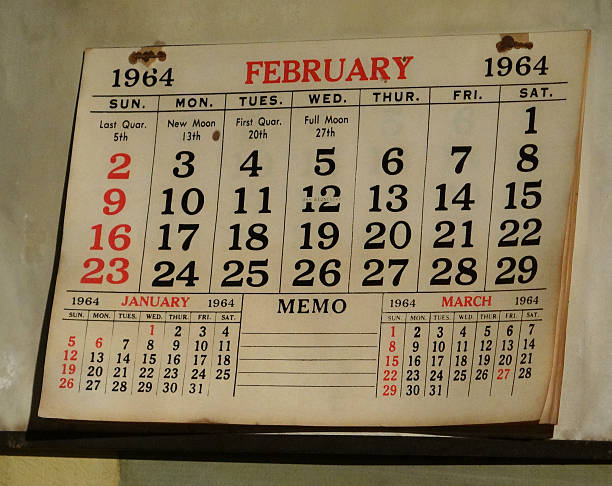
Wilkie recalls his family planting crops by the sign
Interviewer(s):

Georgia Barth
No Weatherman
Transcript:
Barth talks about the importance of the almanac in farm life
Interviewer(s):

Larry Smith
On the Earth, Not the Moon
Transcript:
Smith remembers his mother's skepticism towards planting by the sings
Interviewer(s):

Andy Pugh
The Farmer's Almanac
Transcript:
Pugh describes the old tradition of consulting the Almanac
Interviewer(s):

Robert Russell Webster
Sign Wasn't Right
Transcript:
Webster recalls how sign influenced farm life for his grandfather